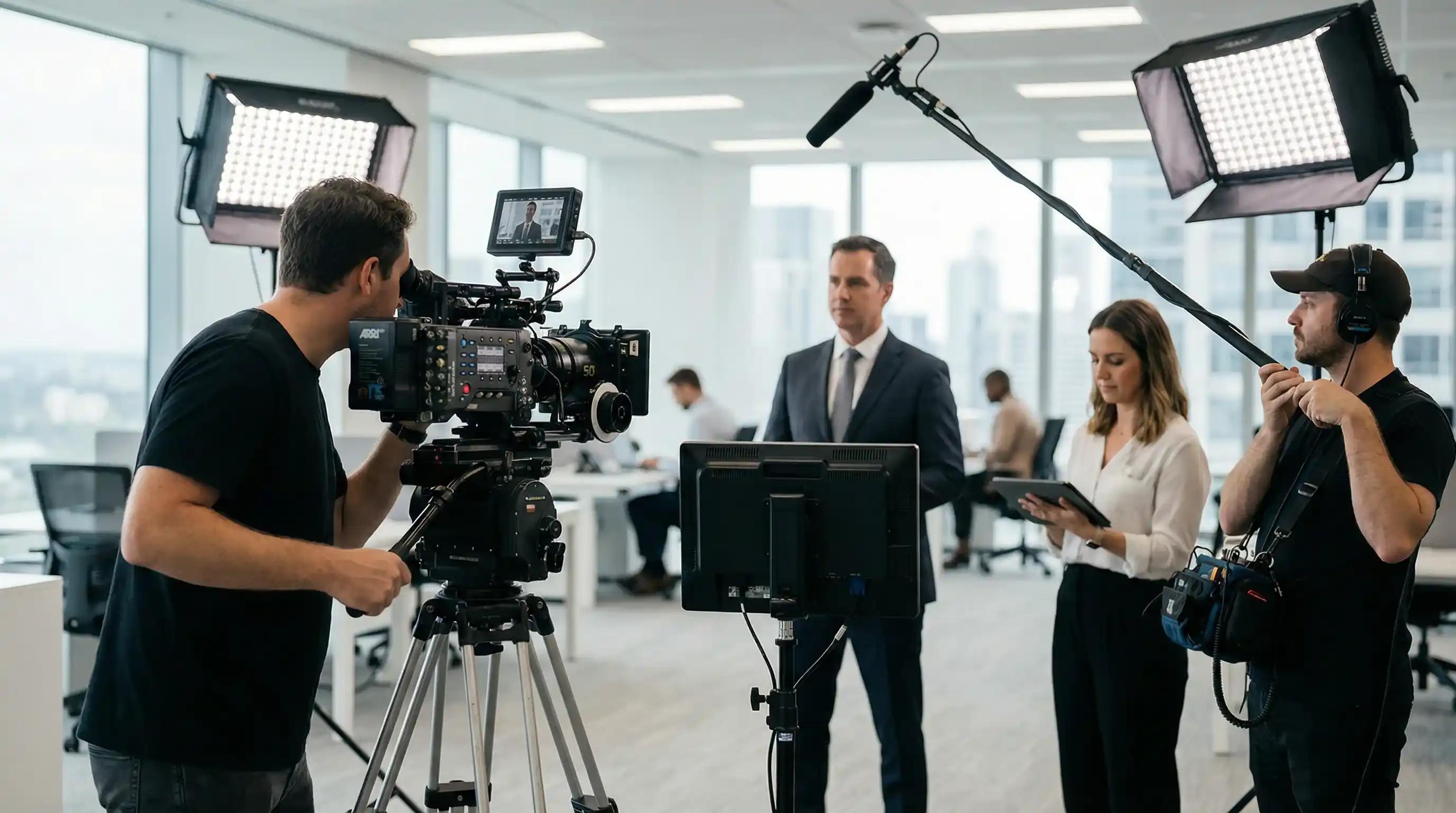
In the SaaS industry, trust is everything. Prospects are often hesitant to adopt software solutions without seeing proof that it works for other businesses like theirs. Customer testimonial videos serve as one of the most powerful tools to establish credibility, demonstrate results, and accelerate decision-making. They allow satisfied customers to tell their story, providing social proof that resonates more than any written case study.
For SaaS companies, this makes testimonial videos not just a nice-to-have, but a strategic asset that influences awareness, consideration, and decision stages of the buyer journey.
In this guide, we’ll explore why testimonial videos are essential for SaaS, how to plan and produce them, best practices for maximizing impact, cost considerations, and metrics for measuring ROI.
Why SaaS Companies Need Testimonial Videos
SaaS products are intangible, you can’t touch or feel the software. Prospects often rely on others’ experiences to validate whether a solution will solve their problems. Testimonial videos help answer key questions:
- Does this product deliver on its promises?
- Can this software work for my business or use case?
- Will I achieve measurable results if I adopt it?
Unlike written case studies, video testimonials communicate emotion, authenticity, and trust, which are critical factors in SaaS decision-making. A compelling testimonial allows prospects to hear directly from peers, see real results, and visualize success for their own teams.
Testimonial videos are particularly effective for:
Shortening the sales cycle by addressing objections before a prospect even reaches a sales rep.
Increasing conversions by providing credible, relatable validation.
Supporting onboarding and retention, as current customers feel confident knowing peers have succeeded with the software.
Data from HubSpot shows that SaaS companies using video testimonials in their landing pages see up to 34% higher conversion rates compared to pages without video content.
Key Elements of an Effective SaaS Testimonial Video
To be persuasive, testimonial videos must be authentic, structured, and focused on measurable outcomes:
Choose the Right Customer: Select customers whose success story is relatable to your target audience. Their pain points should mirror those of your ideal prospects.
Highlight Results and Metrics: Data-driven testimonials are far more convincing. Include measurable outcomes like time saved, revenue growth, cost reduction, or efficiency improvements. For example: “We reduced onboarding time by 40% using XYZ software.”
Structured Storytelling: A simple three-part structure works best:
- Problem: What challenges did the customer face before using your software?
- Solution: How did your SaaS product solve their problem?
- Result: What measurable benefits or improvements were achieved?
Professional Production: High-quality video and audio are essential. Poor lighting, background noise, or shaky footage can undermine credibility.
Genuine Emotion: Encourage customers to speak naturally and share how the software positively impacted their work or team. Authenticity is key, scripted lines can feel artificial.
Call-to-Action (CTA): End the video with a subtle CTA that aligns with your marketing goal, such as “Learn more,” “Start a free trial,” or “Schedule a demo.”
Types of Testimonial Videos for SaaS
Different formats of testimonial videos serve distinct purposes:
- Interview Style: Customers speak directly to the camera, answering questions about their experience. This style conveys authenticity and relatability.
- Case Study Narratives: Combine voiceover, customer interview clips, and product footage. These videos are longer (3–5 minutes) and provide both emotional and data-driven storytelling.
- Panel or Multi-Customer Testimonials: Highlight multiple clients in one video, showing diversity in use cases and industries. This format is especially effective for enterprise SaaS solutions.
- Hybrid Testimonials: Mix animation, graphics, and live footage to emphasize results or complex workflows while keeping the story engaging.
Testimonial Videos in the SaaS Buyer Journey
Testimonial videos can influence every stage of the SaaS buyer journey:
- Awareness Stage: Short clips of happy customers can build trust early and draw attention to your solution.
- Consideration Stage: More detailed testimonials that showcase measurable results or industry-specific use cases help prospects evaluate your product against competitors.
- Decision Stage: In-depth interviews or multi-customer panels reinforce credibility and reduce last-minute objections before purchase.
- Post-Purchase/Onboarding Stage: Sharing peer success stories can increase product adoption, reduce churn, and improve satisfaction. Customers who see similar teams succeed feel reassured and more confident in using the software.
Cost Considerations for SaaS Testimonial Videos
Budgeting for testimonial videos varies depending on production quality, length, and complexity:
- A short 60–90 second interview can cost $1,500–$5,000, ideal for landing pages or social media snippets.
- A full case study narrative with multiple shots, B-roll, and professional editing may range from $5,000–$15,000. These videos are best for decision-stage content, highlighting measurable results.
- Hybrid testimonial videos with animation, graphics, and live footage can cost $7,000–$20,000, providing high engagement and clarity for complex SaaS solutions.
Costs are influenced by factors such as travel for on-site recordings, professional videography, multiple interviewees, and post-production enhancements. Focus first on testimonials with customers whose stories resonate most with your target audience, then scale production once ROI is evident.
Best Practices for Production and Distribution
Plan Interviews Carefully: Prepare questions in advance but allow for natural conversation. Focus on challenges, solutions, and results.
Ensure High Production Quality: Use professional cameras, lighting, and microphones to maintain credibility. Poor video quality can undermine trust.
Incorporate Data and Metrics: Highlight specific outcomes wherever possible, e.g., “Reduced onboarding time by 50%” or “Increased productivity by 30%.”
Optimize for Multiple Channels: Short clips can be shared on social media, emails, and landing pages, while longer versions can be included in sales presentations or webinars.
Encourage Authenticity: Let customers speak naturally and express enthusiasm. Avoid over-editing or scripting that could feel inauthentic.
Measuring ROI
Tracking the performance of testimonial videos ensures that your investment delivers tangible results:
- Engagement Metrics: Average watch time, drop-off points, and shares indicate content effectiveness.
- Conversion Metrics: Track sign-ups, demo requests, or trials resulting from video views.
- Influence on Sales Cycle: Compare conversion speed and win rates for prospects who watched testimonials versus those who did not.
- Impact on Retention: Post-purchase testimonials can improve adoption and reduce churn, measurable through usage analytics.
Integrating testimonial video metrics with CRM and marketing automation platforms allows SaaS companies to connect video engagement to revenue outcomes and optimize content strategy over time.
Conclusion
Customer testimonial videos are a cornerstone of SaaS marketing and sales. They build trust, demonstrate results, and accelerate decision-making by letting satisfied clients share their success stories.
When produced strategically, testimonial videos support multiple stages of the buyer journey, from awareness to decision-making and post-purchase onboarding. By following best practices in production, storytelling, distribution, and measurement, SaaS companies can turn testimonials into high-ROI assets that enhance credibility, increase conversions, and drive long-term growth.
Investing in testimonial videos is not just a marketing tactic, it’s a way to leverage authentic peer experiences to persuade prospects, reinforce sales efforts, and build confidence in your software solution.